
Company News
Supply chains can track a truck, a shipment and even a container. Yet a pallet, tote or crate can still disappear somewhere between the trailer, the warehouse and the factory floor.That blind spot was the topic when Steve Logue, General Manager of Sensolus Americas, joined hosts Malcolm Harris and Michael Vincent on FreightWaves' What The Truck?! on October 12, 2026. Here are the main points from the conversation.
TABLE OF CONTENT

Trucks have telematics wired to the vehicle battery, measuring everything from engine diagnostics to driver safety. Pallets, crates and racks have no power source at all. Steve pointed to three reasons they slip out of view:
Inside a factory or distribution center, companies usually do have visibility, because they have built infrastructure within those four walls. The trouble starts the moment an asset leaves that controlled environment.
Lost assets cost more than the assets themselves. Steve’s point was that labor is one of the largest costs on any P&L, and part of it goes to people looking for things.
- Steve Logue, General Manager, Sensolus Americas
The methods are often decades old: phone calls to ask whether a pallet arrived, an Excel sheet, or a clipboard and pen. Steve brought a clipboard into the studio to make the point. Digital tracking replaces all of that with an online view of where each asset is, how it moves and what condition it is in.
Warehouse systems work inside the building. Cellular tracking covers the journeys in between: a trailer moving from the factory to a customer, or a pallet travelling to and from a supplier. Wherever there is a cellular signal, the asset stays visible.
Coverage still has dead spots, even on the biggest US networks. Sensolus holds a patent for data recovery: when an asset passes through an area with no signal, the tracker stores its location data and sends it as soon as it is back in coverage. The journey has no gaps, even when the network does.
Getting reusable packaging back is hard because, once the goods are delivered, nobody’s priority is returning the empty carrier. Steve gave the example of a major American cable reel producer that loses large numbers of reels every year. The cable gets used, and the empty wooden reel is left behind on the customer’s site. Some even end up flipped over and turned into bar tables.
The issue is growing in importance. Especially in Europe, sustainability goals and regulation are pushing companies toward reusable packaging. A steel pallet that can stay in service for five years is an asset worth tracking, so that it keeps circulating instead of sitting idle or going missing.
When asked how companies justify the cost of tracking pallets, crates, racks, trailers and containers, Steve said the ROI is clearest in three scenarios.
What slows digitalization most, Steve said, is the conclusion that tracking is a nice-to-have. That can hold for a company with a handful of assets. At scale, with thousands of pallets, racks and trailers moving between sites and partners, digitizing those flows becomes a necessity.
His advice to operations leaders: if your people are spending time looking for things, and you are operating at scale, tracking is how you become more efficient and reduce costs.
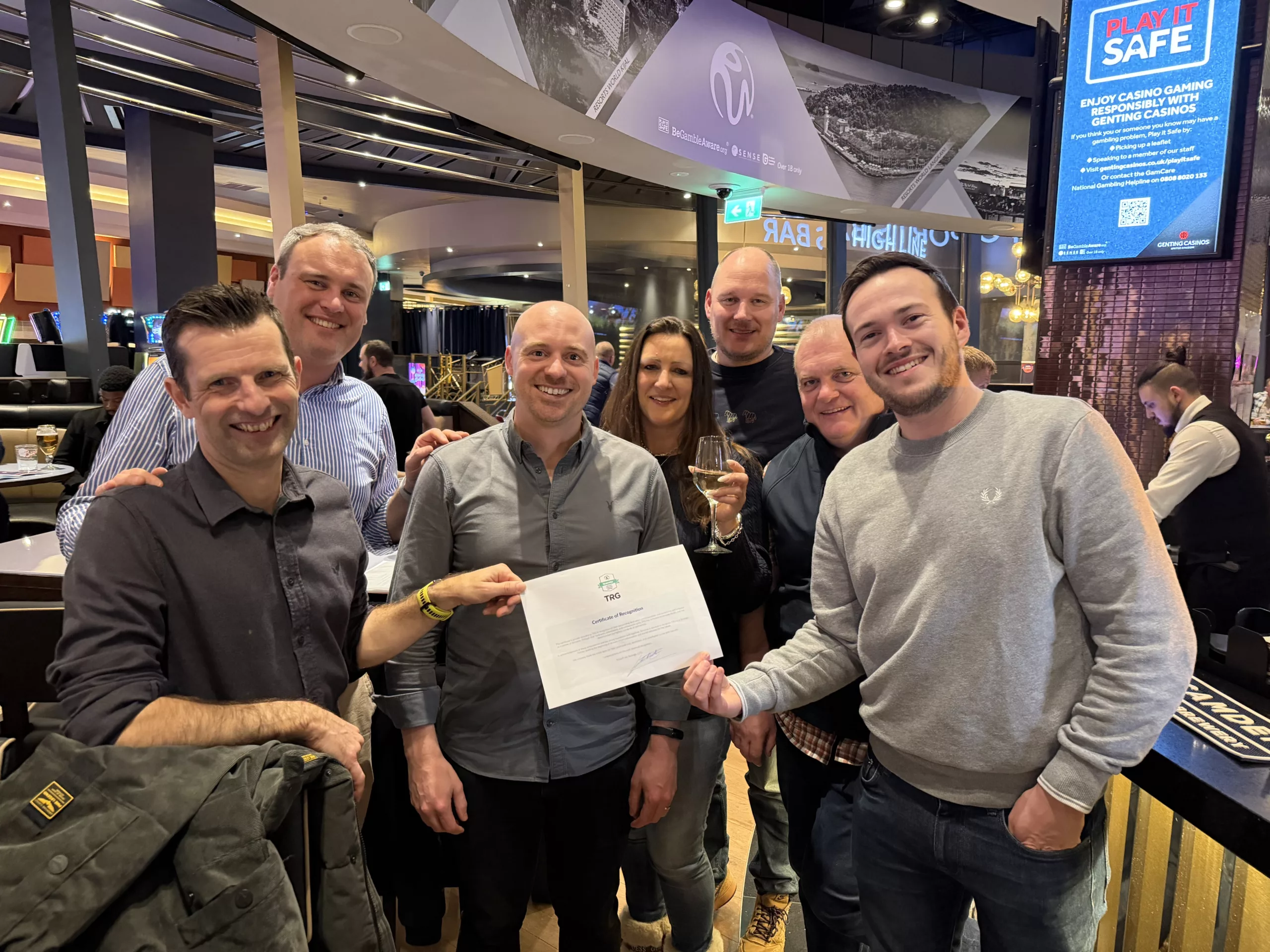
Recognising a partner as Strategic is because they’ve earned it through consistent performance, genuine commitment, and the kind of collaboration that moves the needle for customers. That is why we are proud to officially announce TRG as a Sensolus Strategic Partner.
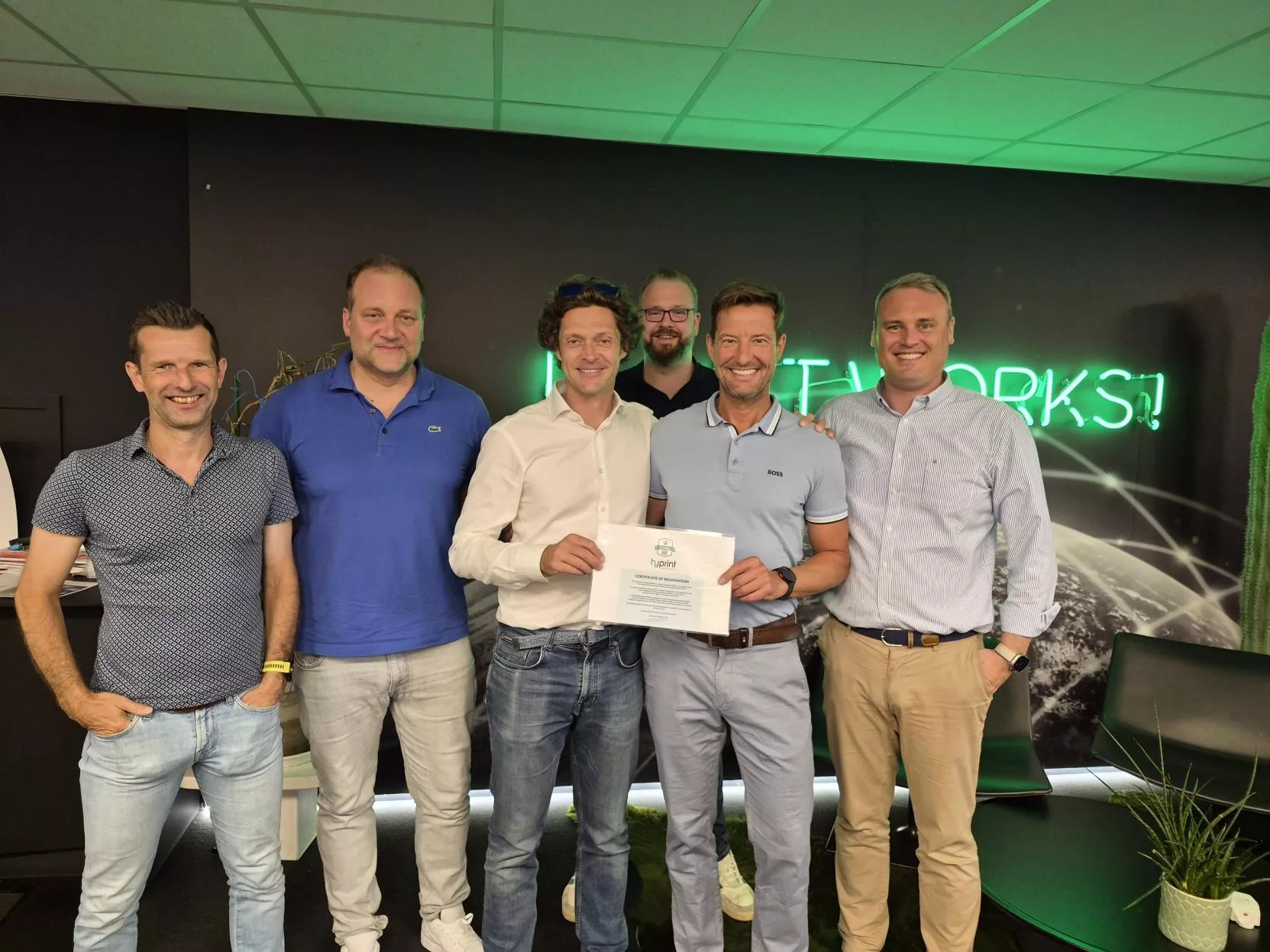
Recognising a partner as Strategic happens because they’ve earned it: through consistent performance, genuine commitment, and the kind of collaboration that moves the needle for customers. That is why we are proud to officially announce Hyprint Materials GmbH as a Sensolus Strategic Partner.
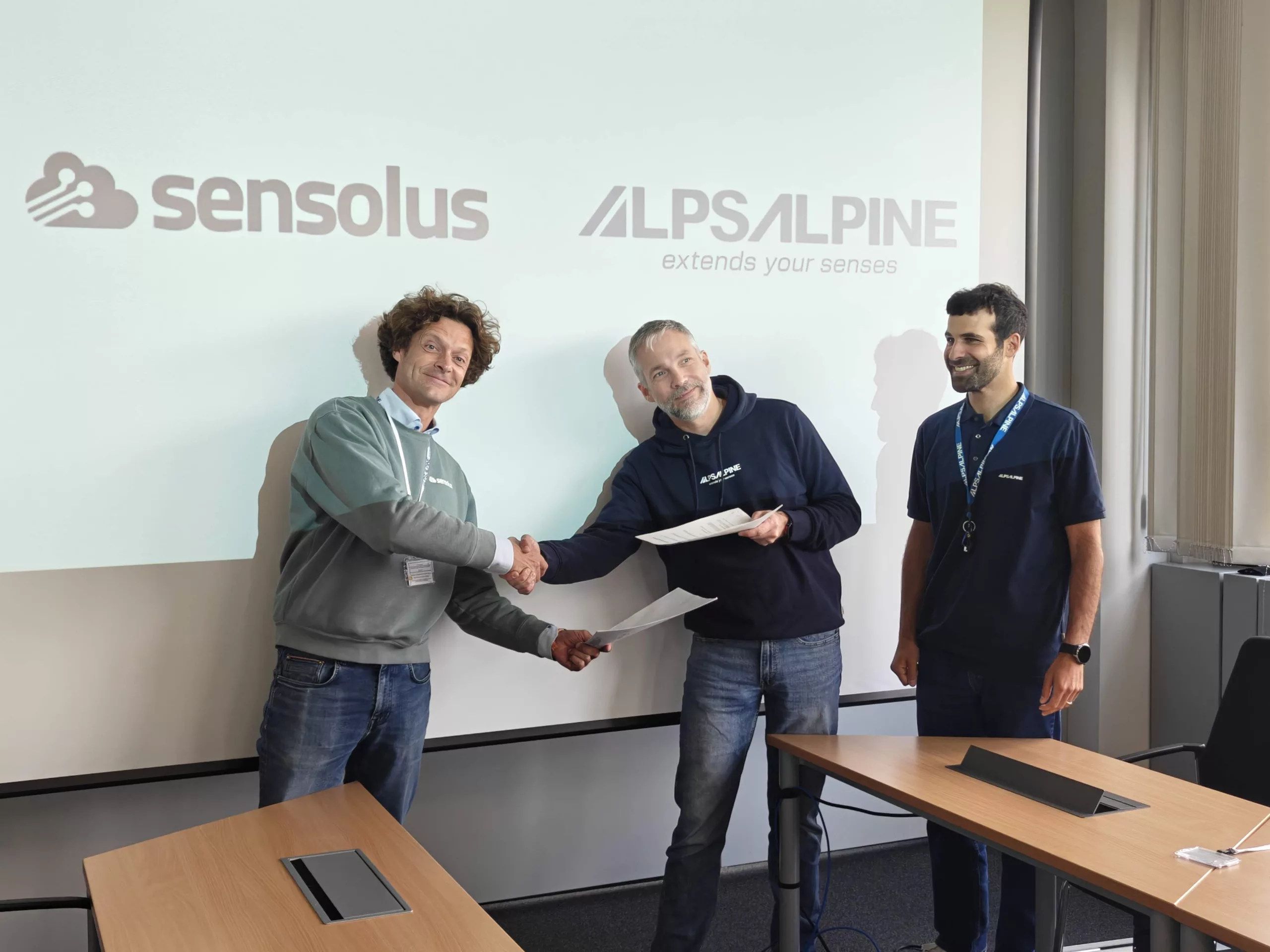
Expanded cooperation paves the way for a new generation of asset tracking products, as both companies continue to scale internationally.

 NL